
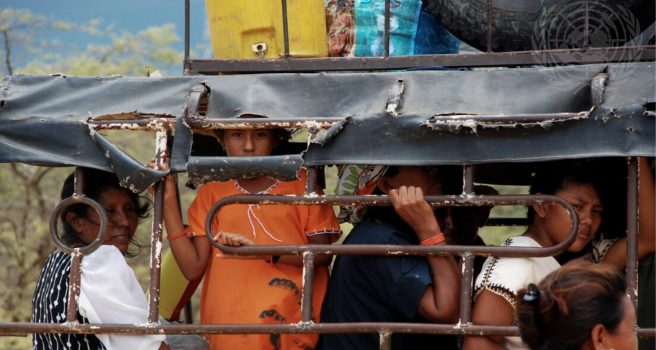
Rape and other forms of sexual violence are prohibited in both international and non-international armed conflicts. A very high number of all women in war and conflict experience one or more kinds of sexual gender-based violence.
The Rome Statute of the International Criminal Court in 2002 included wartime sexual violence in its list of crimes against humanity and war crimes and defined sexual violence as “rape, sexual slavery, enforced prostitution, forced pregnancy, enforced sterilisation, or any other form of sexual violence of comparable gravity”.
Historically, conflict-related sexual violence was ignored or minimised due to the following reasons:
• It was seen as “collateral damage” it happens in all wars.
• It was not considered politically relevant.
• Conflict-related sexual violence was under-reported.
• In most cases, abusers were not convicted.
• It was not part of the human rights agenda.
• There was no documentation or systematic research.
Here are some examples of how sexual violence has been used in various armed conflicts.
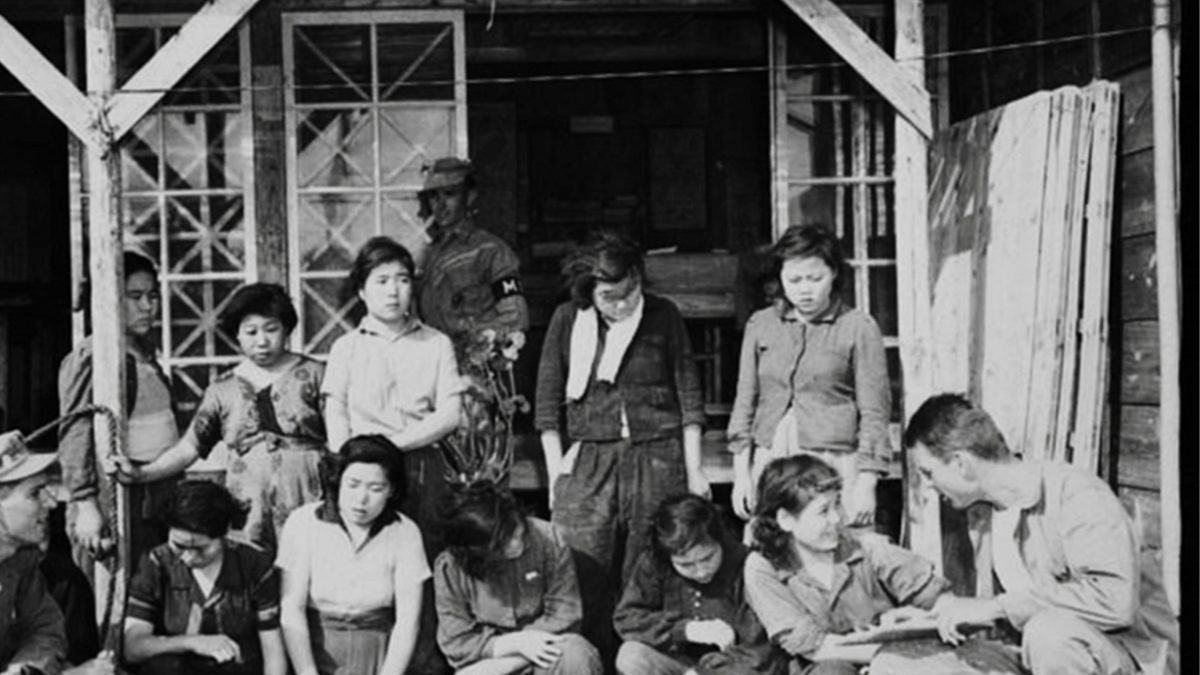
Japan
During World War II, the Imperial Japanese army established a system of military sexual slavery. An estimated 50,000 to 200,000 women and girls were kidnapped or recruited through deception, to serve as sex slaves for soldiers. Most came from Korea and China, but also the Philippines, Indonesia, Okinawa, and Japan.
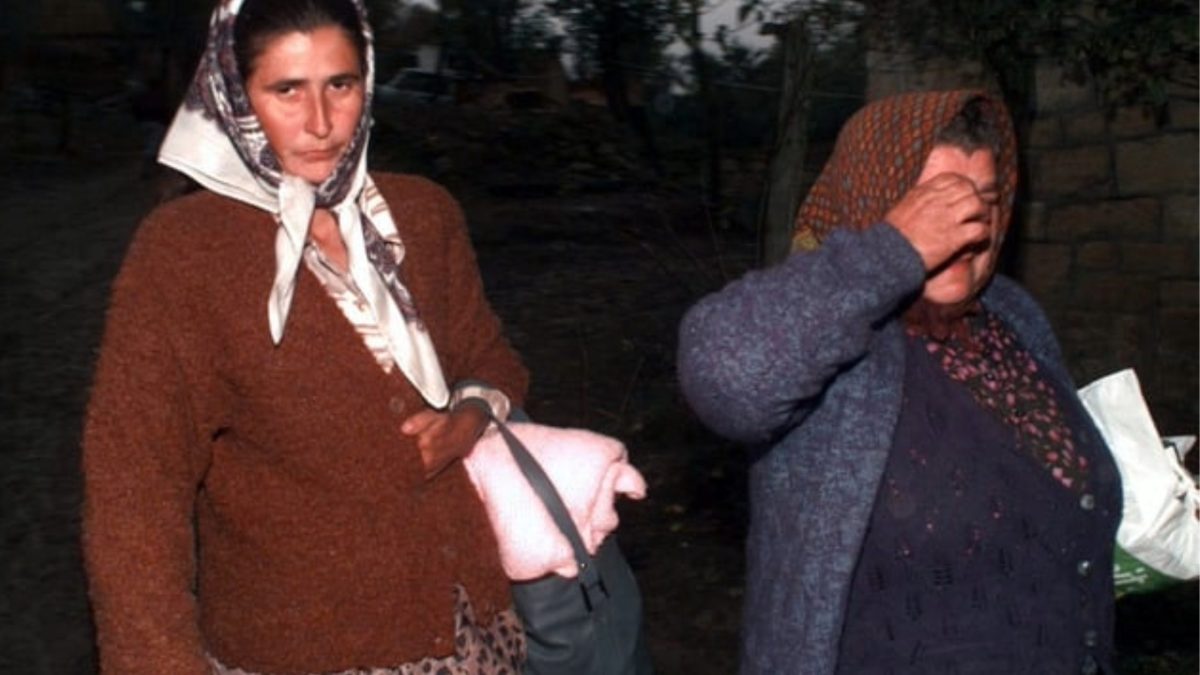
Bosnia and Herzegovina
During the war in Bosnia and Herzegovina (1992–1995), armed forces employed systematic and organised sexual violence, including sexual slavery as part of campaigns of ethnic cleansing. An estimated 20,000 to 50,000 women and girls were subjected to these crimes.
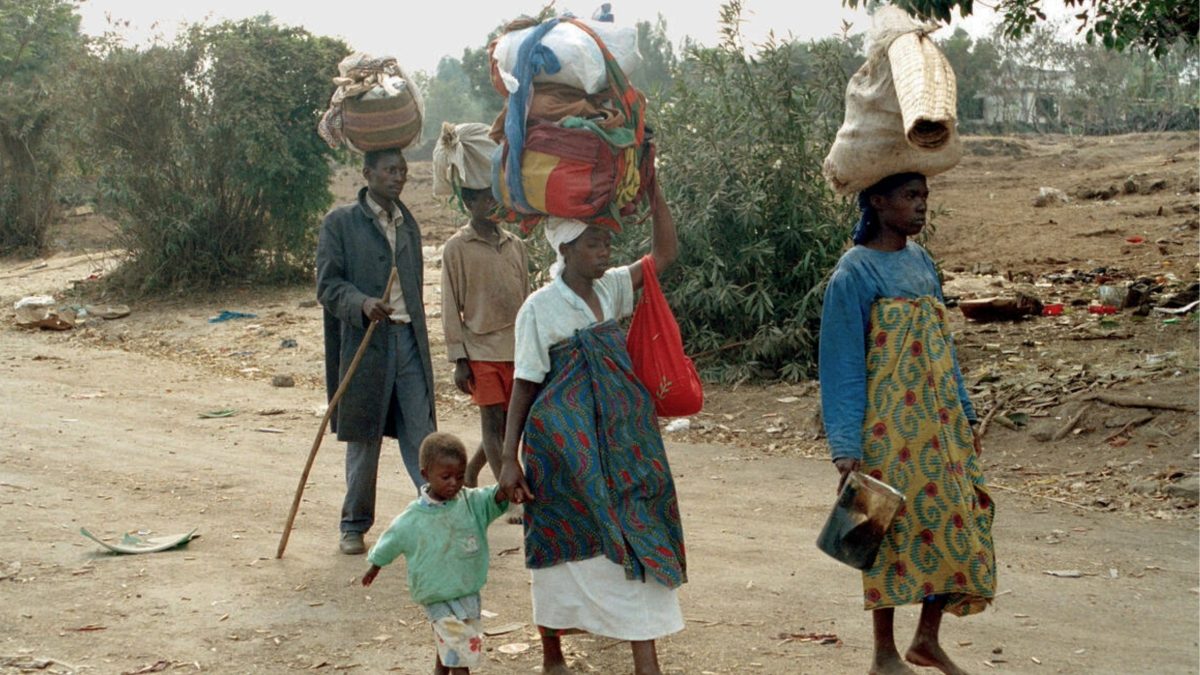
Rwanda
During the 1994 genocide in Rwanda, rape and sexual violence were used systematically by Hutu militias and elements of the Rwandan Armed Forces as part of the Genocide against the Tutsi. An estimated 250,000 to 500,000 women and girls were raped.
Colombia
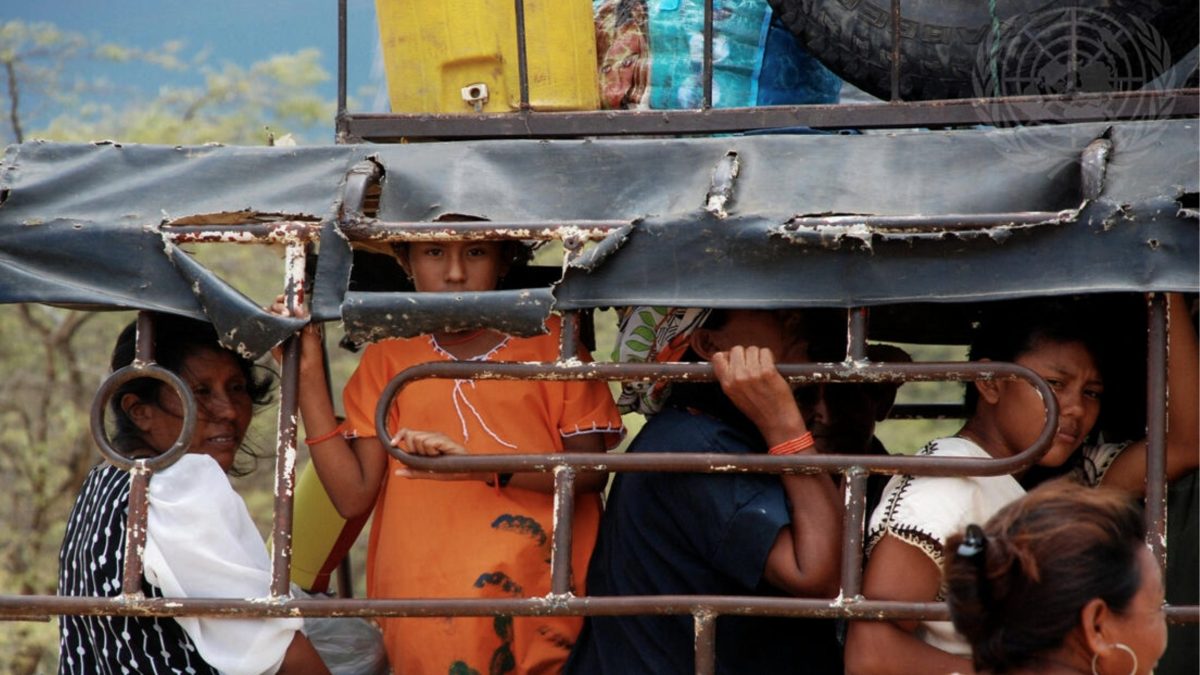
During Colombia’s long armed conflict, sexual violence has been a systematic weapon of war used by all armed actors (guerrillas, paramilitaries, and state agents) to instil terror, control territories, and enforce displacement. Over 15,000 women and girls are registered as victims of sexual violence. However, due to fear and impunity, this documented figure is considered only the tip of the iceberg of a much larger crisis.
Sudan
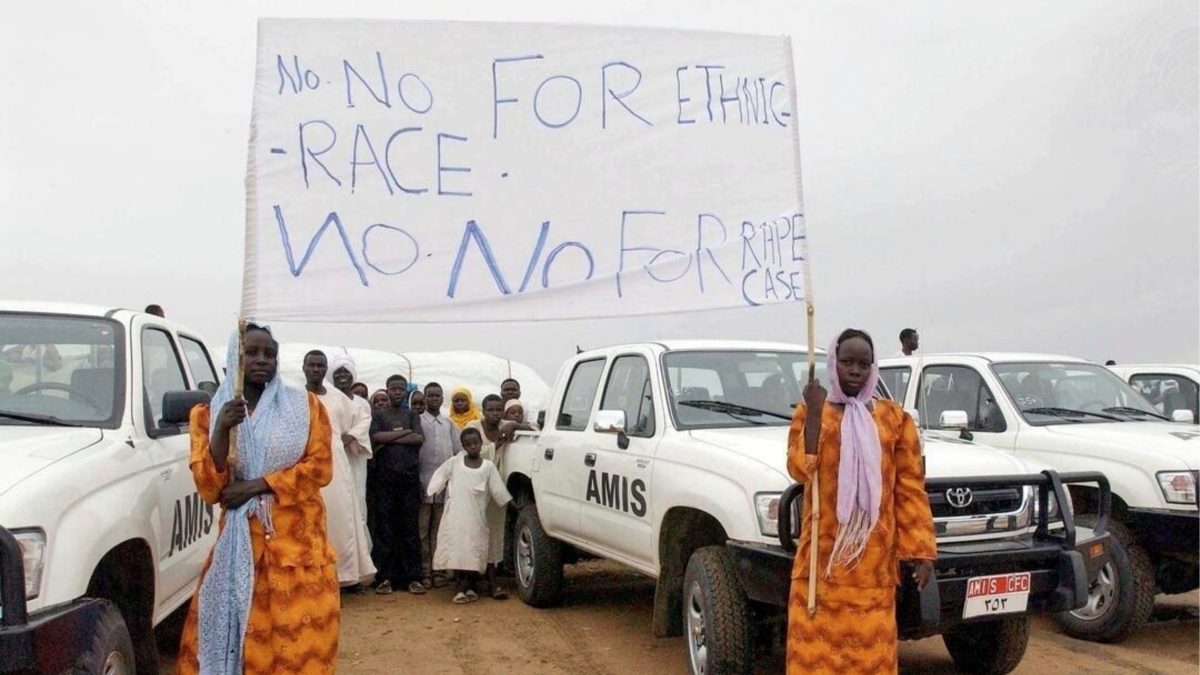
Since the conflict in Sudan began in 2023, sexual violence has been used systematically as a weapon of war. The Rapid Support Forces (RSF) have been widely implicated in gang-rape and sexual slavery in Khartoum, Darfur, and several other states. This violence is used to terrorise communities, assert control, and drive ethnic displacement.
MHHRI have developed manuals and learning material to helpers working with survivors of sexual and gender-based violence against women, men and children, and of other trauma following serious human rights violations. Psychosocial support to helpers and professionals is also included.
We hope that this low-threshold manual will be useful in your work and that you will benefit from the knowledge presented in it. For easy access to information about the content of the manual please watch our tutorials.
Here you can access to various lectures on topics related to gender-based violence and our manuals.
In each of the modules, you can select either the download format or the online reading format in different languages. You can also find the manual and other support elements in different languages.
WOMEN
The manual explains, among other things, how trauma affects mental health. It refers to methods and techniques that can be used to meet the psychological needs of women survivors of sexual abuse in contexts of war and conflict. The handbook can also be useful for people who already have knowledge and experience in the field.
Select Language
CHILDREN GBV MANUAL
This handbook is developed for helpers and caregivers with guidelines on how to provide culturally sensitive psychosocial support to children exposed to sexual abuse in war, conflict, humanitarian crisis and low resource communities.
Select Language
BOYS AND MEN GBV MANUAL
The handbook explains, among other things, how trauma affects mental health. It refers to methods and techniques that can be used to meet the psychological needs of abused boys and men, illustrated through true stories. The handbook can also be useful for people who already have knowledge and experience in the field.