
Mental Health and Human Rights Info (MHHRI)
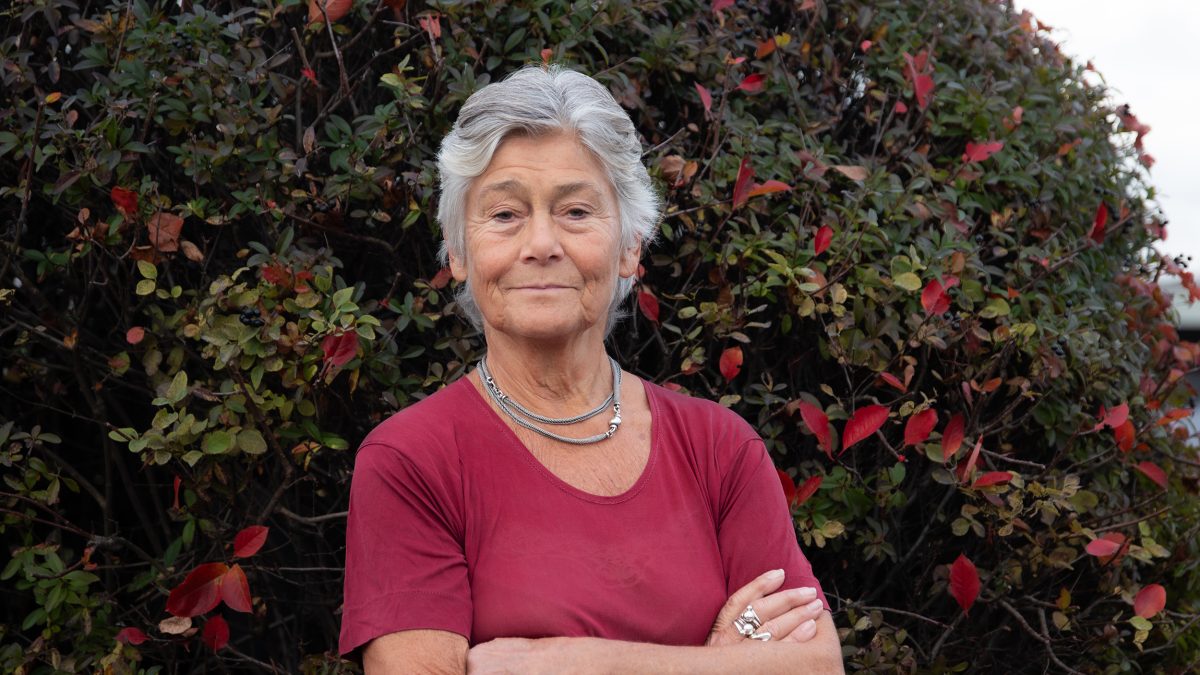
By, Nora Sveaass, professor emeritus, Head of Board
We live in a time where human rights, international law, and what is often termed the rules-based international order are under severe attack. There are more ongoing conflicts, many of them targeting civilians directly, in total violation of international humanitarian law. Democratic rights are threatened, and the number of states worldwide that can be characterised as stable democracies are clearly reduced, and the many brave people working to defend human rights and whose voices advocate respect for human dignity are doing so at great risk. With all this happening around us, it may seem quite problematic to keep working for human rights and support survivors of the ongoing violations, be it as part of a conflict or as part of societies with autocratic regimes.
Yet we must hope and strive for peace and recovery – but hope is not enough. What we hear daily is the destructive narrative, including actions and plans, by those in power. Against this, there must be resistance and action, including claiming that international standards, human rights norms and peace must be in the lead. We must believe that change is possible in our global situation, making peace and reconstruction, democracy and diversity and human rights respected and promoted, our top priority in 2026.
When Tools Travel: The Life of The Manuals
One of the clearest threads throughout the year has been the continued use and development of MHHRI’s manuals. What began as written material has increasingly become a set of tools that move across contexts, are adapted by others and take on new forms in practice.
During the year, they have been applied in trainings, they have been revised, translated and further developed. The women’s manual underwent substantial revision and is now close to reprinting. The children’s manual in Norwegian was finalised, with support from RVTS Nord, and all three manuals were launched in Norway in June 2025.
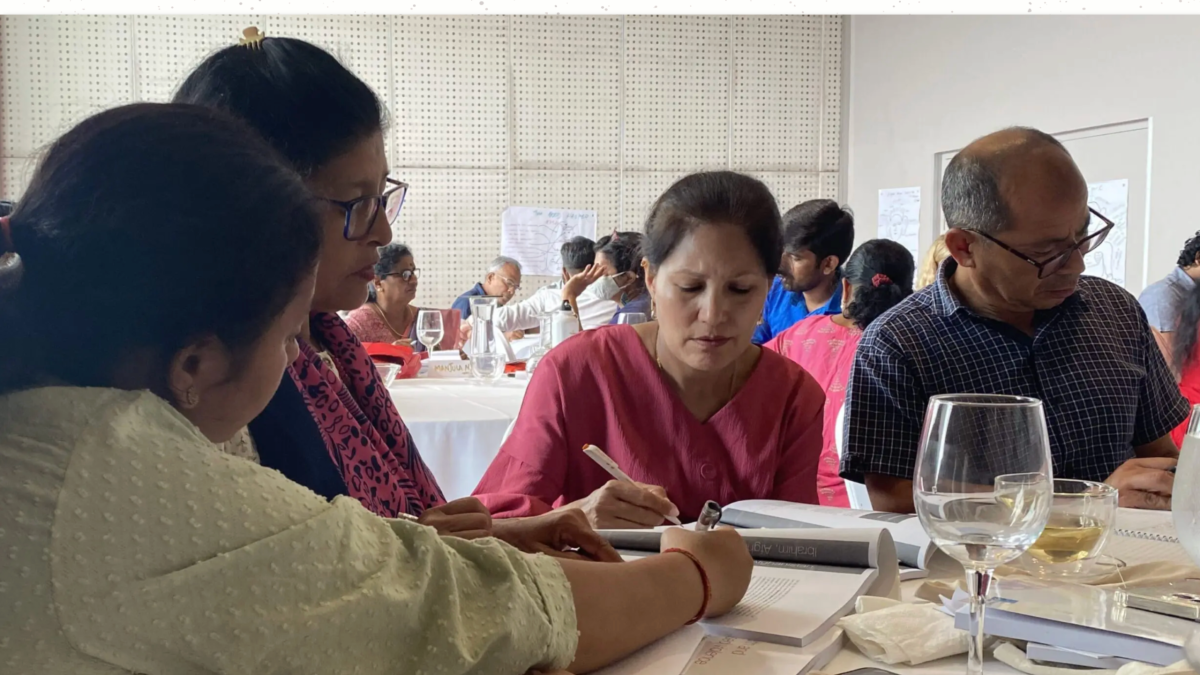
FORUT and Normisjon have been essential collaborators in the work to expand the knowledge about and the application of our manuals. Together with local partners in countries like Bangladesh, Malawi, Sierra Leone, Zambia, Sri Lanka, Nepal and India, the manuals have been used in concrete training and support settings.
Gender-based Violence Work as Long-term Engagement
Gender-based violence remained one of MHHRI’s most consistent and developed fields of work. The material from 2025 shows clearly that this work is no longer limited to individual trainings, but has become embedded in longer processes involving partnerships, revisions, and public engagement.
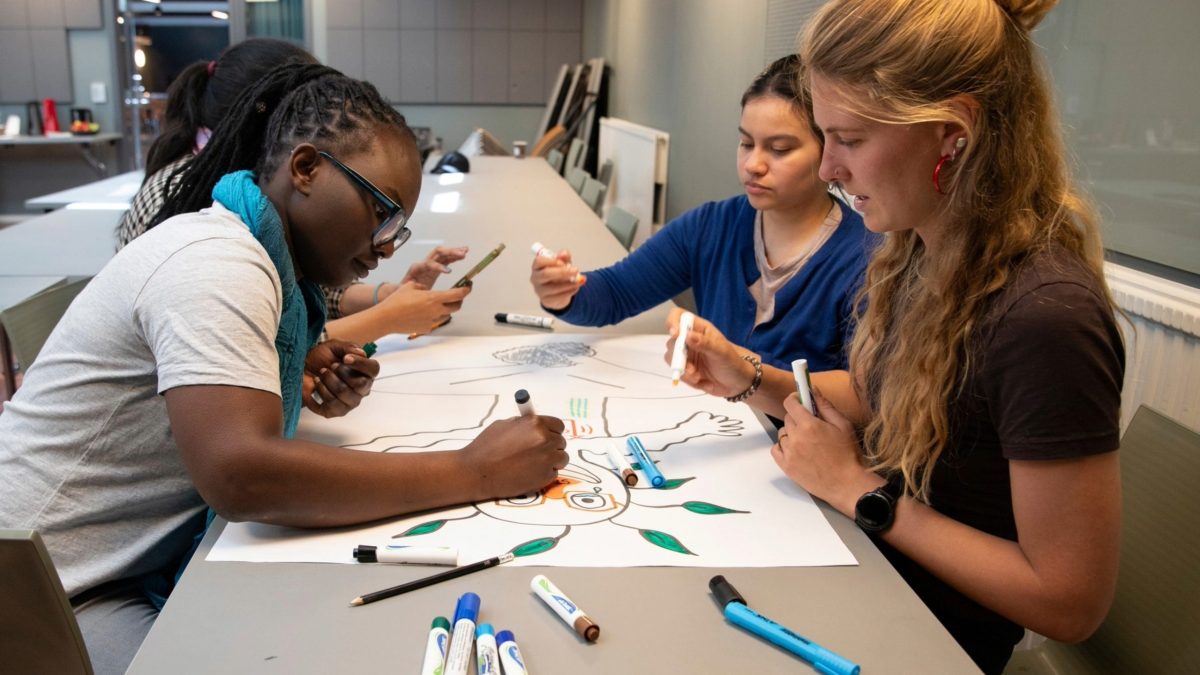
In May–June, MHHRI conducted a four-day training in Oslo covering all three GBV manuals, bringing together participants from a wide range of professional and cultural backgrounds. The training was built on experience from a five-day course conducted by FORUT with their partners in Malawi and Sri Lanka, where all three manuals had been used together.
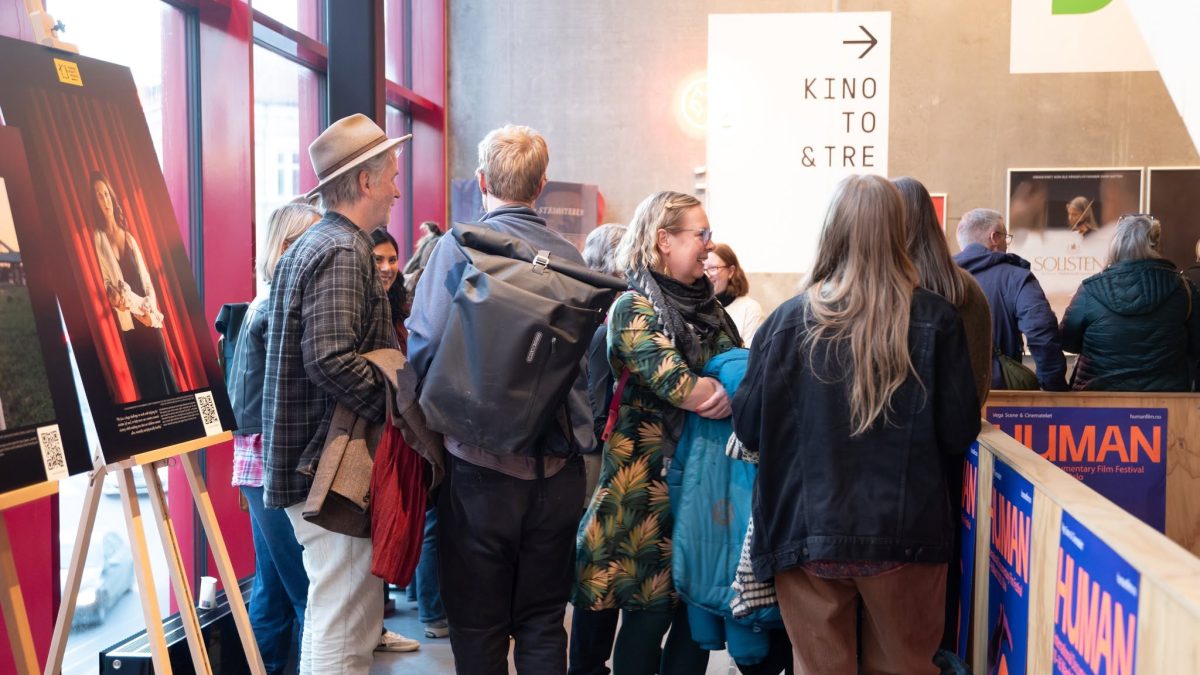
Our participation in the HUMAN International Documentary Film Festival
Is a good example of how this field of work moves into public space. MHHRI has been part of the festival as a contributing partner since 2008, and this continued engagement remains an important highlight of the year. It offers a space for sharing knowledge, for meeting other organisations, developing collaborations and reaching audiences we do not normally engage with through our regular channels. This year, MHHRI contributed to events focusing on feminicide in Latin America and conflict-related sexual violence in Nepal. Through film screenings and panel discussions, these themes were brought into a wider public conversation. This was a place where research, field experience and lived realities could meet.
Gaza: Making Help Usable Under Extreme Conditions
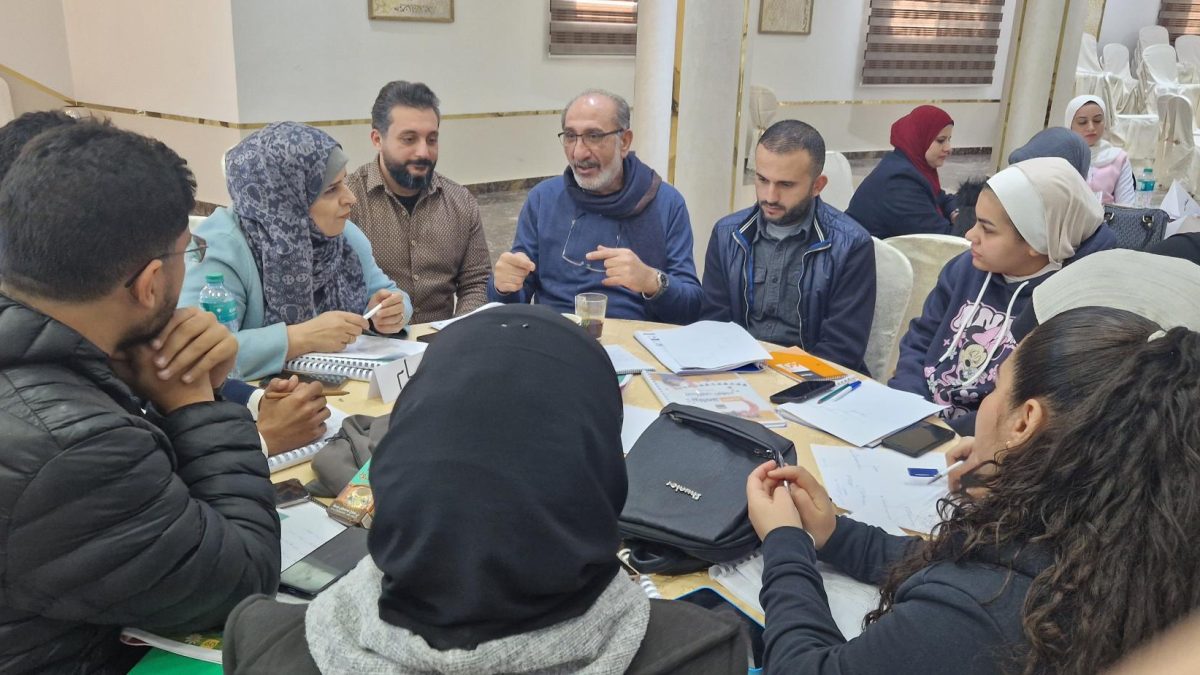
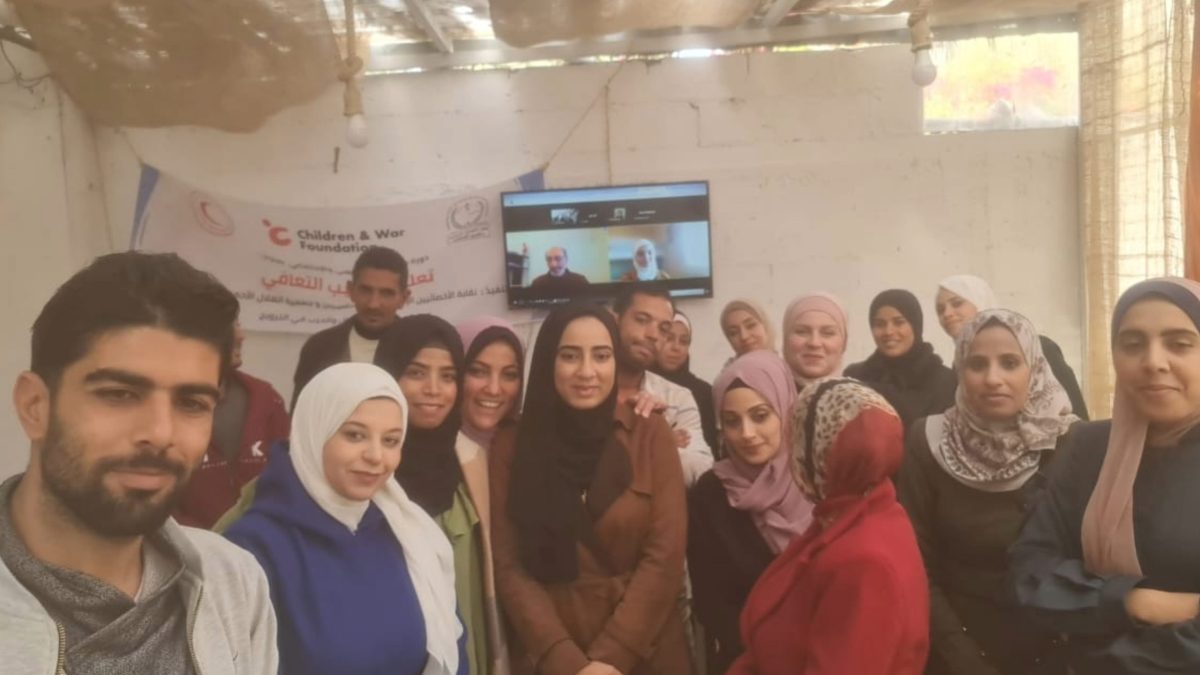
Some of the most demanding and meaningful work in 2025 took place in relation to Gaza and Palestinian helpers. Through collaboration with Solidarity Hub, the University of Oslo, the Children and War Foundation and key individuals, Teaching Recovery Techniques (TRT) continued under extremely difficult conditions. Safwat Diab conducted three in-person trainings in Cairo for Palestinian helpers, as well as two online trainings for participants in Gaza. These took place under severe constraints, including war conditions and significant emotional strain.
A small booklet for parents and caregivers in Gaza was developed, based on local experience and written by Safwat Diab in collaboration with MHHRI colleagues. The booklet provides practical guidance on how to support children living under conditions of war, addressing fear, withdrawal and distress. When it proved impossible to distribute through conventional channels, the approach shifted towards local printing inside Gaza. It is also available on our website. This adjustment illustrates a central aspect of MHHRI’s approach: knowledge must be adaptable to remain usable. The work is not only about delivering training, but about ensuring that support can be understood, trusted and applied under changing and often extreme conditions.
Ukraine: Long-term Accompaniment and Veteran Work
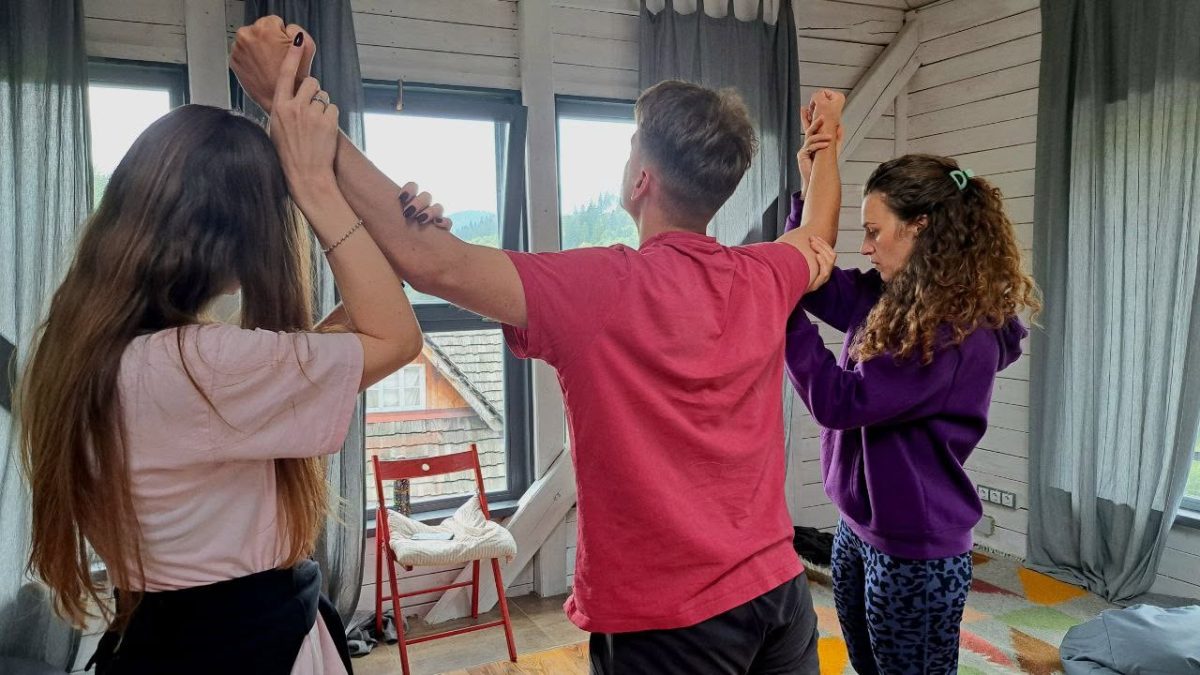
The work related to Ukraine remained substantial throughout the year and is part of an engagement that goes back several years, before the full-scale invasion in 2022. This has allowed the work to grow over time, through continued contact, collaboration and support to partners in a situation that keeps changing. The collaboration with AHALAR continued to develop, with increasing focus on veterans, families and communities.
In addition, MHHRI contributed to a ten-day online festival organised with AHALAR as a part of a “house-to-house project” through the Human Rights House Foundation. The festival combines lectures, reflection sessions and exchanges on psychosocial support and resilience. Despite challenges such as electricity shortages and unstable conditions, the programme was completed. At the same time, the work on Ukraine also continues in Norway, both through raising awareness of the ongoing war and through more practical support initiatives.
MHHRI also took part in broader Ukraine-related initiatives, including collaboration with Amnesty and the Nobel Peace Center. Through this, we contributed to the exhibition Stemmer bak murene with our founder, Nora Sveaass, on the panel.
Caring for the Helper: From Experience to Framework
Across different contexts, a common theme has been the need to support those who support others. This led to the beginning of a manual on Caring for helpers, which has become a clear priority during the year and for the time to come. The manual will build on experience from training and collaboration in settings such as Palestine, Ukraine and Norway. It aims to offer a practical and rights-based framework for understanding how prolonged exposure to others’ suffering affects helpers, and what is needed to make this work sustainable.
Much of the existing knowledge in this field comes from post-conflict settings, where there is space for recovery. However, many of the helpers we work with are operating in ongoing crises, in places such as Gaza, the West Bank, Sudan and Ukraine. Here, helpers are not outside the situation, but part of it. This creates a different kind of strain, shaped by continuous exposure, uncertainty and blurred boundaries between helper and survivor.
Spaces Where Knowledge Meets the Public
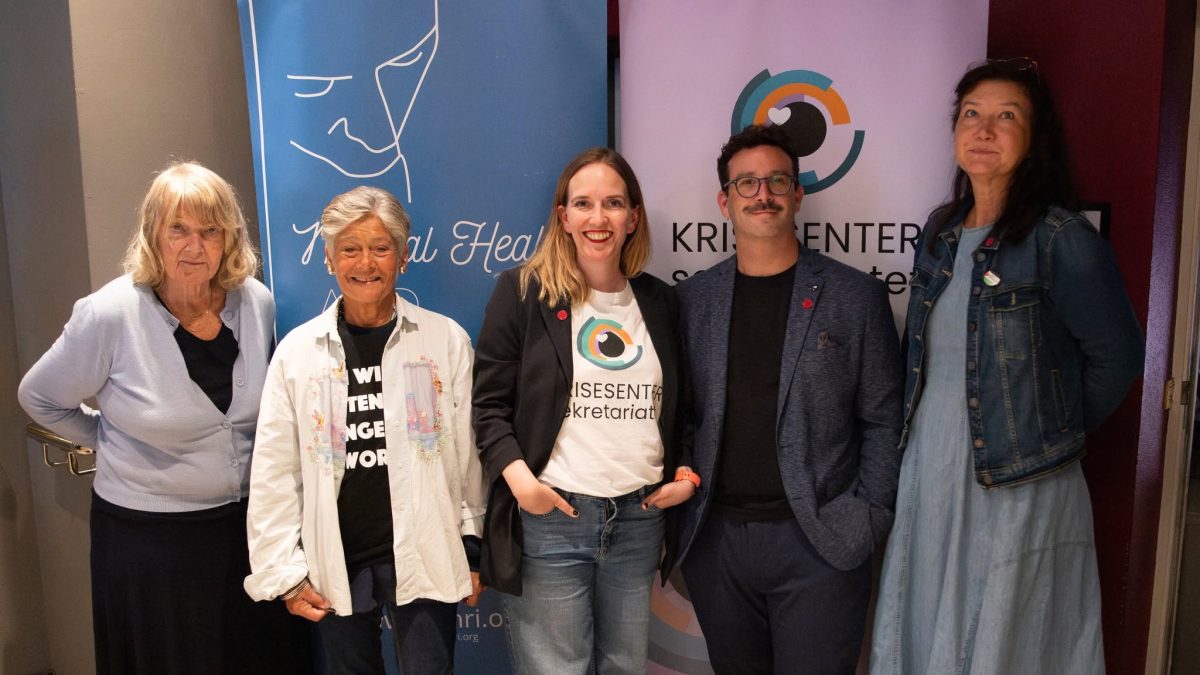
Public events formed an important part of the organisation’s work in 2025. These were not separate from the core activities, but extensions of them. Participation in arenas such as HUMAN International Documentary Film Festival and Arendalsuka created spaces where complex issues could be explored across professional and societal boundaries. At Arendalsuka, MHHRI contributed to discussions on global mental health in the context of shrinking humanitarian funding, as well as to conversations on how Femicide is named and understood in Norway.
Other events, including the December pre-launch of the Thinking of You exhibition, further show how artistic and public platforms can be used to address sexual violence in conflict. The event was organised in collaboration with the Norwegian Women’s Lobby and the Embassy of Kosovo. The work will continue with the objective of organising a larger outdoor exhibition in front of the Nobel Peace Center in June 2026.
Networks, Resource Group, Students and Shared Knowledge
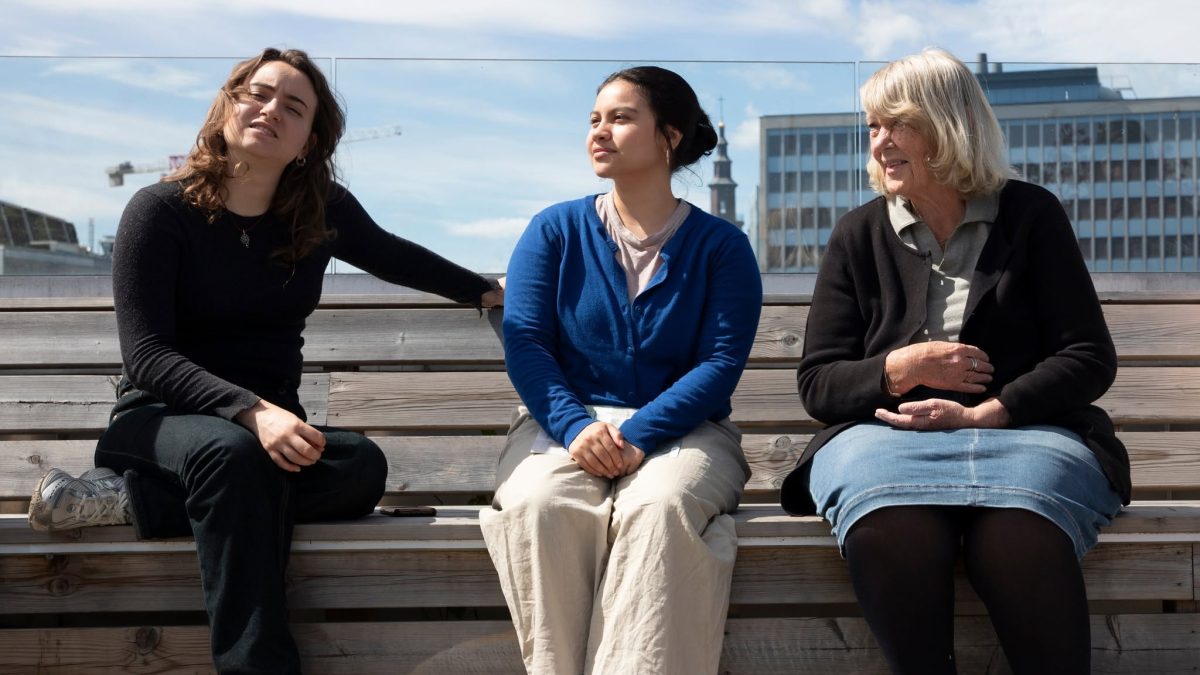
In 2025, these connections were further strengthened, both through formal collaboration and ongoing exchange across different fields. Collaboration with the University of Oslo and Solidarity Hub contributed both to teaching and project development. We contributed to a three-day Student at Risk gathering in Asker, organised by SAIH, HK-dir and the University of Bergen. Around 45 students with backgrounds from different conflict-affected contexts participated. Many of the participants shared personal experiences of war, displacement and violence. The gathering showed how important it is to meet students not only as students, but as people carrying complex experiences.
The network on men and boys exposed to sexual violence remains an important part of our work, with regular meetings throughout the year that provide a space for professional exchange, development of knowledge and continued attention to a field that is often overlooked. We also take part in the Forum 1325 network, where we contribute to raising awareness of sexual and gender-based violence within the broader women, peace and security agenda. In addition, our engagement in the Norwegian Network for Global Mental Health extends beyond individual events.
Communication in a More Restricted Space
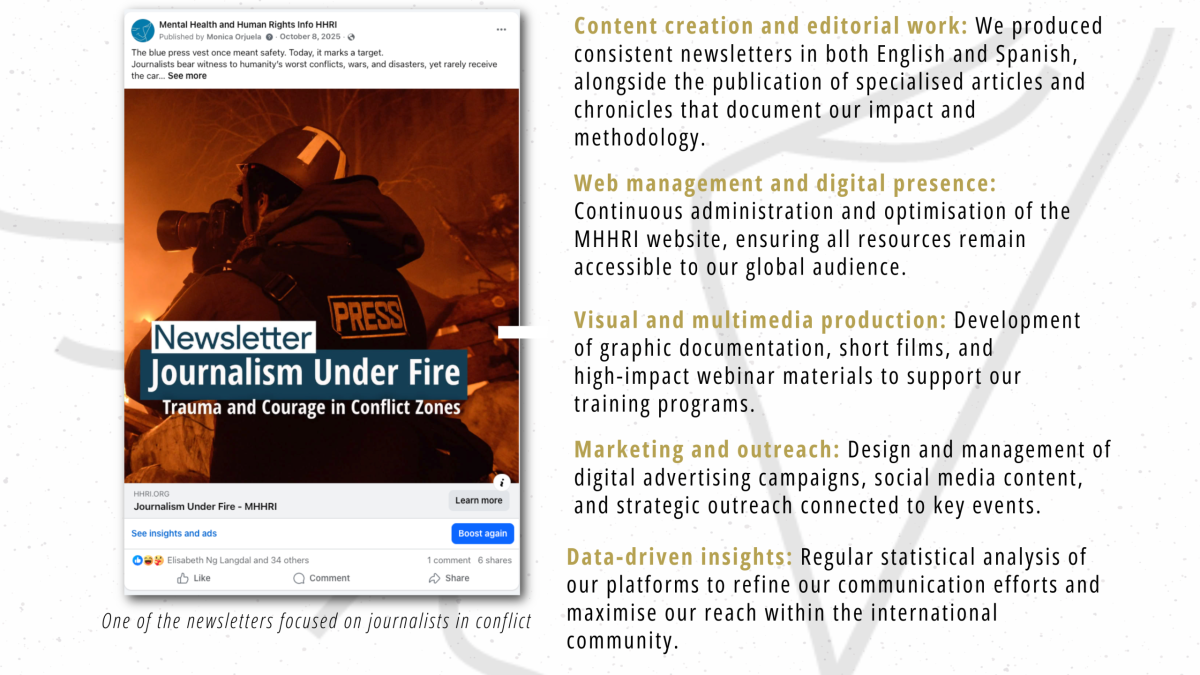
Communication is integrated into every aspect of our operations, from the initial development of specialised knowledge to its dissemination and practical application across diverse global contexts. A central part of this work has been carried out by our Communication Adviser, Monica Orjuela. Through her efforts, we have strengthened our reach in diverse regional contexts, making materials accessible and relevant to partners who would otherwise have limited access to this knowledge. This has been important for visibility and for inclusion and continued collaboration.
As We Look Back on 2025
We are grateful for the many people and organisations we have had the pleasure to work with throughout the year. Much of what MHHRI does is only possible because others generously share their time, knowledge, experiences and trust with us.
In a world where human rights are increasingly challenged, these collaborations remind us of the importance of continuing to learn from one another and stand together. We are especially grateful to our partners and colleagues who carry out their work under difficult circumstances, often while facing many of the same challenges as those they support. Their commitment, reflections and willingness to share their experiences have shaped much of our work this year. On behalf of MHHRI, thank you to everyone who has contributed, collaborated and worked with us during 2025.
