
Overview of content
A Global Pattern, Uneven Consequences
Further reading
Training Manuals
Upcoming events
Dear colleagues,
Written by: Ana Cecilia Montoya Contreras, Social Psychology MSc Candidate.
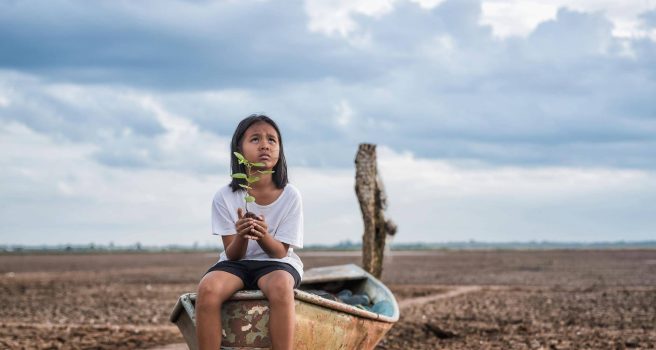
El Niño is more than a climate phenomenon. It is a public health and humanitarian concern. From droughts in southern Africa to flooding in the Amazon region, its impacts can threaten livelihoods, food security and health. Yet, one critical consequence often receives less attention: the impact on mental health and psychosocial well-being.
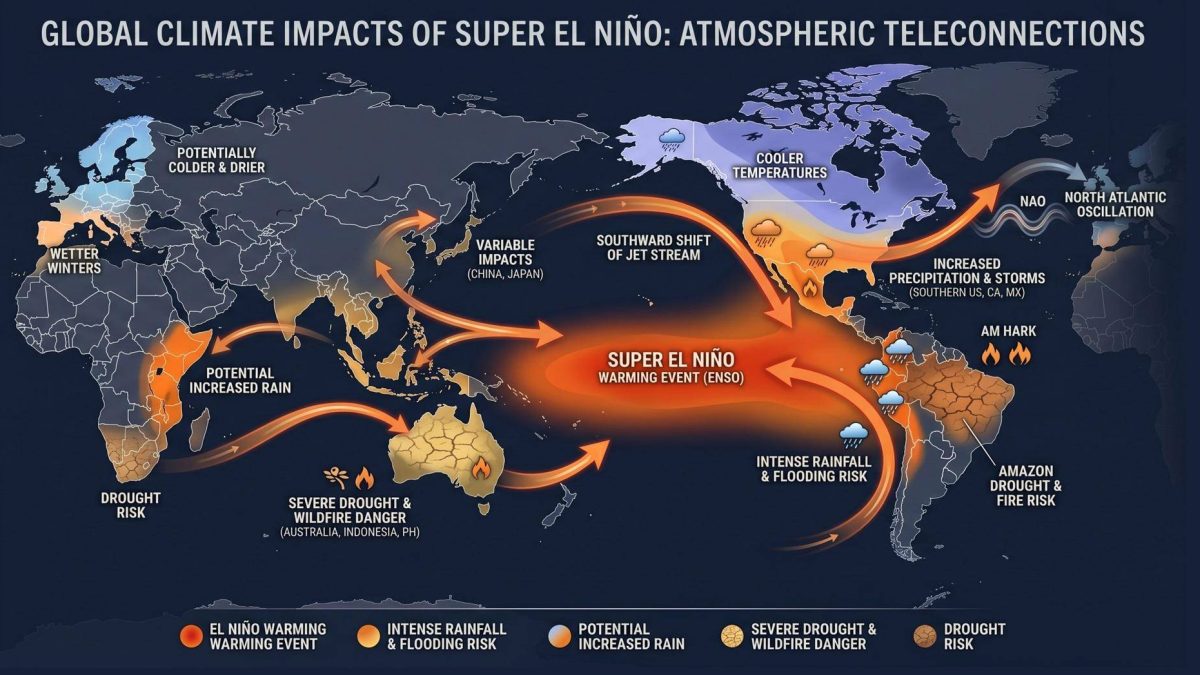
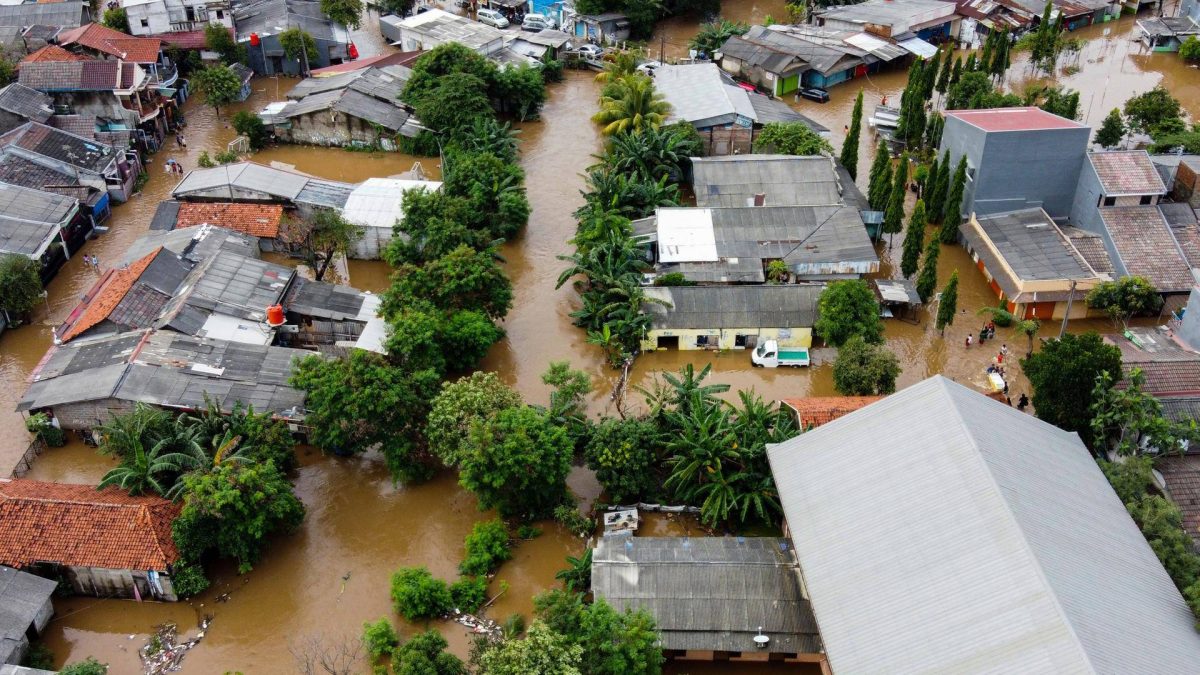
El Niño is a naturally occurring climate pattern that typically develops every two to seven years, when waters in the tropical Pacific become unusually warm. This warming alters atmospheric circulation and shifts rainfall and temperature patterns around the world. Some regions may experience drought, crop losses, and wildfires, while others face heavier rainfall and flooding.
Unusually warm ocean waters can also disrupt marine ecosystems, affecting fisheries and coastal livelihoods.
These risks are particularly concerning in a world with already exceptionally high temperatures. Forecasts of a strong El Niño are raising concerns about worsening food insecurity, displacement, livelihood disruption and health risks, potentially compounding existing humanitarian needs. However, the severity and distribution of these impacts remain uncertain. Seasonal forecasts and monitoring can help identify emerging risks, but the actual results will depend on local conditions, exposure, and the communities’ capacity to respond and adapt.
The Effects on Public Mental Health |
| Equally important but not as included, mental health is also at stake. Extreme heat can exacerbate some mental health conditions, while displacement, overcrowding, disrupted social networks and reduced access to healthcare can increase psychological distress and interrupt treatment. At the same time, displacement, loss of livelihoods, food and water insecurity, and weakened community and protection systems can heighten the risk of gender-based violence (GBV).
These risks are not shared equally. Children, older people, pregnant and postpartum women, people with disabilities, displaced populations, people already affected by humanitarian crises, and rural communities whose livelihoods are most climate exposed may face disproportionate negative impacts. Unlike many sudden-onset disasters, El Niño can often be anticipated, creating opportunities to prepare before impacts escalate. Early warnings give governments, humanitarian organisations and communities valuable time to prepare and act. Climate adaptation must therefore extend beyond infrastructure, water management, and resilient agriculture to include measures that protect mental health, psychosocial wellbeing and safety. |
Preparedness means ensuring that communities, services and organisations have the knowledge, resources and systems needed to anticipate risks and respond effectively. This includes using climate forecasts to identify high-risk areas, protecting essential health services, preparing referral pathways, and ensuring that people who may face additional barriers can access support before, during and after a crisis.
What MHPSS and Gender Based Violence Preparedness Can Do |
|
|
|
Mental Health and Psychosocial Support (MHPSS) include activities that protect or promote psychosocial well-being and help prevent or address mental health conditions. Integrating MHPSS into climate adaptation and emergency plans can strengthen community-based support, provide psychological first aid, maintain continuity of care, and ensure access to essential medicines and specialist services. Gender-based violence preparedness ensures that organisations and communities are ready to reduce GBV risks and provide appropriate, survivor-centred support during emergencies. Practical measures include training responders, mapping available services, establishing safe and confidential referral pathways, conducting safety assessments, and preparing essential resources. These approaches reinforce one another. Displacement and resource shortages can increase both psychological distress and exposure to violence. Coordinated preparedness can help ensure that survivors can access appropriate support and that people experiencing mental health difficulties are not left without care. Integrating MHPSS and GBV preparedness into the same planning processes can also help humanitarian actors identify overlapping risks and deliver more coordinated, accessible services. Yet how far are these approaches integrated into national climate and health planning? Recent assessments by the WHO and YLabs reveal severe policy gaps, showing that only a fraction of national climate plans address psychosocial needs or protection from gender-based violence. El Niño’s impacts may be uneven, but preparedness can help reduce this gap. Integrating MHPSS and GBV preparedness into climate adaptation, anticipatory action and emergency response can help communities and services anticipate risks, strengthen support systems and ensure that people affected by crises can access the care and protection they need. By acting before impacts escalate, governments and humanitarian organisations can better protect dignity, wellbeing and lives. |
Further Reading
Climate change exacerbates trauma, loss of livelihoods, and psychological distress in vulnerable communities. Protecting human rights requires integrating mental health into climate action.
Psychological First Aid
Los Angeles Unified
General Guidelines for Addressing Mental Health Needs in the School Environment Psychological First Aid (PFA) is an evidence-informed approach for assisting children, adolescents, adults, and families in the immediate aftermath of a stressful life ev...
Mental Health and Climate Change: Policy Brief
World Health Organization (WHO)
This WHO policy brief outlines how climate change intensifies social, environmental, and economic risk factors for mental health and psychosocial wellbeing, while large gaps remain between mental health needs and available services worldwide. It prop...
Climate Change & Suicidality
IASP
Climate change is reshaping more than our environments. It also defining how many people experience safety, hope, loss, and uncertainty about the future. Conversations about climate-related distress are becoming increasingly common, particularly amon...
Climate Change and Mental Health: An Introductory Toolk...
Connecting Climate Minds
Climate change and mental health are two of the greatest global challenges societies face and are deeply interconnected. Climate change impacts mental health by increasing the risk of new mental health challenges and increasing the vulnerability of p...
WHO Health and Climate Change Survey Report
World Health Organization
This report provides a vital snapshot of the overall progress that governments have made in the field of health and climate change to date, as well as insight into what work remains in order to protect their populations from the most devastating heal...
Coming to terms with climate change: a glossary for cli...
Claire L Niedzwiedz, Jonathan R Olsen, Jala Rizeq, Tsion Afework, Chiara K V Hill-Harding, Richard J Shaw, Rhian Thomas,
Climate change is a major threat to global health. Its effects on physical health are increasingly recognised, but mental health impacts have received less attention. The mental health effects of climate change can be direct (resulting from personal ...
Climate change and mental health: direct, indirect, and...
Andreas Heinza, Lasse Brandta
Climate change is progressing rapidly and poses a threat to human physical and mental health. The human contribution to rising temperatures is well established, and data on the direct, indirect, and intersectional effects of climate change on mental ...
Climate Change and Mental Health – Discussion pap...
Louise Burenby, Timo Partonen, Timothy R. Carter, Reija Ruuhela, Jaana Halonen
There is a gap in the knowledge concerning the long-term and gradual impacts of climate change on mental health. This discussion paper summarises the expected impacts of the ongoing climate change on mental health in Finland. This discussion paperis ...
A systematic review of the effects of chronic, slow-ons...
Burrows, K., Denckla, C. A., Hahn, J., et al.
This systematic review examined 57 qualitative, quantitative, and mixed-methods studies on how chronic, slow-onset climate stressors — droughts, rising temperatures, and shifting ecosystems — affect mental health. Quantitative studies linked these ex...
Sexual and Reproductive Health and Rights in National A...
Y.Labs study: Alagarajah, J., Beeman, A., Brown, M., Aibe, S., Fuchs, N. R., & Gibbs, T.
Climate change is the most significant global health threat of the 21st century, disproportionately affecting women and girls in low- and middle-income countries (LMICs). Due to persistent existing gender inequities, women and girls face greater clim...
The relationship between climate change and mental heal...
Cosh, S. M., Ryan, R., Fallander, K., et al.
This systematic review synthesized 35 studies (total N = 45,667 adults) examining the relationship between eco-anxiety and validated mental health outcomes. It found consistent small-to-large associations between eco-anxiety and psychological distres...
Climate change and gendered vulnerability: A systematic...
2025Gulnaz Anjum, Mudassar Aziz,
From 2163 citations screened, 61 studies were included in the final analysis. The review highlights that climate change disproportionately affects women, exacerbating pre-existing gender inequalities. Specific impacts include heightened mental health...
Climate Change Taking a Toll on Your Mental Health? How...
2020Healthline, Timothy J. Legg
We’ve long passed the point of writing off signs of climate change as simply another phase in the normal cycle of global warming and cooling. Human actions have altered Earth’s climate, and the impact of this is becoming increasingly visible. Most pe...
Climate Change’s greatest victims are women and g...
UNICEF
“We had nothing to eat for fifteen days,” sighed Sajida (20), as she recounted to me her experiences of the 2022 floods in Pakistan. “My whole family got Malaria, and we couldn’t access medicines or hospitals as Khairpur was d...
Data-driven insights: the effects of climate change on ...
2023UN Women
Climate change is intensifying the frequency and severity of hydrometeorological hazards. As temperatures change, rain patterns become erratic, and severe weather intensifies, livelihoods and ecosystem are increasingly affected. Immediate climate act...
Explainer: How gender inequality and climate change are...
2022UN Women
Gender inequality coupled with the climate crisis is one of the greatest challenges of our time. It poses threats to ways of life, livelihoods, health, safety and security for women and girls around the world.
Gender Impacts of Climate Change: Empirical Evidence Fr...
2023UN Women
The effects of climate change, such as changes in temperatures, precipitation and biodiversity loss, are affecting human health, food security and livelihoods, as well as the quality and availability of land, water and other natural resources. As ind...
Role of Climate Change in Exacerbating Sexual and Gende...
2021Bharat H. Desai and Moumita Mandal
The advent of climate change era has been affirmed by various global processes including 21 May 2019 recognition by the Anthropocene Working Group of ‘human impact’ in bringing profound alterations on planet earth. It has emerged as the predominant ‘...
The mental health of women and climate change: Direct n...
2022Julia Rothschild, Elizabeth Haase
Climate change brings exposures to heat, air pollution, poorer quality food, and infectious disease that have significant direct effects on women and their mental health. These environmental impacts are multifaceted in their consequences and raise ri...
Why women are key to climate action
UN Women
The climate crisis does not affect everyone equally. Women and girls face disproportionate impacts from climate change — largely because they make up the majority of the world’s poor, who are highly dependent on local natural resources for their live...
Women bear the brunt of the climate crisis, COP26 highl...
2021UN
“Today is gender day because gender and climate are profoundly intertwined. The impact of climate change [affects] women and girls disproportionately,” he said, urging to empower and support women.” Alok Sharma, the COP26 President
Climate Change and Mental Health: Systems Models for Un...
Cybele Dey, Rhonda Dixon-Grovenor, Kay Wilhelm
This paper examines systems models proposed for climate change and mental health through a systematic review of the evidence using the Preferred Reporting Items for Systematic Reviews and Meta method and feedback from an Indigenous Elder, knowledge b...

All our gender-based violence manuals can be downloaded for free from the MHHRI website
Three gender-based violence manuals have been developed to support helpers working with women, boys and men, and children who have experienced sexual violence.
These manuals are available in multiple languages, enabling survivors and helpers to access the content in their preferred language while maintaining consistent headlines and numbering. This multilingual approach facilitates teaching when participants and trainers speak different languages. Each manual includes a toolbox of grounding exercises that survivors can use on their own, to manage emotions or in collaboration with a helper. Additionally, helpers can use these exercises for their own self-care.
Upcoming events
International Group Relations Conference
The Past Alive in the Present: Authority, Leadership and the Future We Create. 21 – 28 February, 2027, Accra, Ghana.
11th World Congress of Women’s Mental Health
A global congress focused on research, best practices, and mental health services tailored to women. March 14–17, 2027. Sitges, Barcelona, Spain.
Australasian Conference on Traumatic Stress (ACOTS / FASSTT)
This conference is the peak conference in the field of traumatic stress in the region, boasting national and international researchers, lived experience advocates, clinicians, and other stakeholders. 18 – 20 March, 2027, Sydney, Australia.
35th European Congress of Psychiatry (EPA 2027)
The main theme will be “Innovating Mental Health: Towards Personalised and Integrated Care”. It will focus heavily on personalised treatments and feature special programs for early career psychiatrists. April 3–6, 2027. Florence, Italy.
The 12th ISHHR Conference for Health and Human Rights – The role of ceremony and culture in healing
The International Society for Health and Human Rights (ISHHR) invites abstract submissions, focusing on ceremonial and culture-based approaches to healing in the context of human rights abuses. We welcome contributions from Indigenous leaders and community members, practitioners, researchers, students, educators, advocates, and others working with survivors of trauma and human rights violations. While all relevant topics are encouraged, we particularly welcome submissions addressing intergenerational trauma and Indigenous perspectives and experiences. 4-7 May, 2027, Montréal, Canada.
Nordic Conference on Child Abuse and Neglect (NFBO)
Welcome to the 14th Nordic Conference on Child Abuse and Neglect in Oslo. 23 – 26 May 2027, Oslo, Norway.
ESTSS Conference European Society for Traumatic Stress Studies
Set in the heart of one of Europe’s oldest and most prestigious universities, this international colloquium invites scholars and practitioners. 3 – 6 June 2027, Coimbra, Portugal
ECMH European Conference on Mental Health
ECMH stands for European Conference on Mental Health. ECMH is an annual event and learning platform for mental health professionals, service users, researchers and everybody interested in the field. 29 September – 1 October 2027. Benidorm, Spain.
ECTMIH (FESTMIH) European Congress on Tropical Medicine & Int. Health
Focus on global health, migration, and equity. 25 – 28 October 2027, Barcelona, Spain.
We appreciate feedback and comments
Welcome to our new subscribers, we hope you will find our content useful. The Mental Health and Human Rights Info Newsletter is a newsletter with the aim to provide insight on a certain subject across the scope of our work; human rights violations in war and conflict areas and mental health. Our intention is to deliver a newsletter as a short “lecture” where you can find relevant information regarding a specific subject from a mental health perspective. You will receive our newsletter 5 times a year.
We would appreciate your thoughts and suggestions on other issues you would like to see in this newsletter or if you are planning an event on related issues, please let us know so we can include your event in our newsletter.
If you know anyone who would be interested in receiving this e-newsletter, please forward it, and encourage them to sign up.
Facebook and Instagram
On our MHHRI Facebook page, and on Instagram we are continuously posting new and relevant articles that we add to our website, as well as events and videos. We also just launched our new LinkedIn page!
Sincerely yours,
Take care – and we are wishing you all the best.
Sincerely yours,
Mental Health and Human Rights Info teampost@hhri.orgwww.hhri.org
Copyright © 2026 MHHRI.ORG All rights reserved.
MHHRI are not responsible for the content of external websites. Links are made because we think the content might be of use. The comments and evaluation on this page are made by our staff to make the links more accessible to you, and is entirely our subjective impression of the link in relation to our context.
Our mailing address is:
Post@hhri.org